

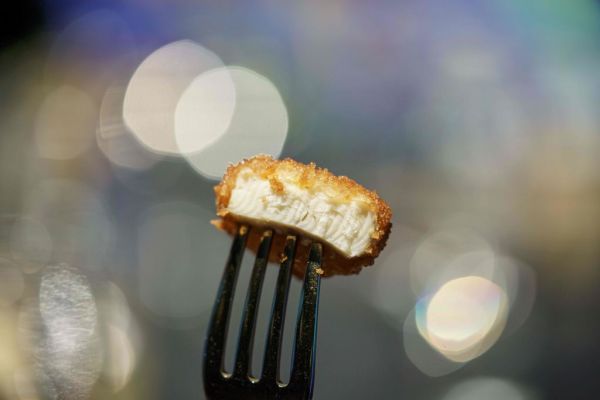
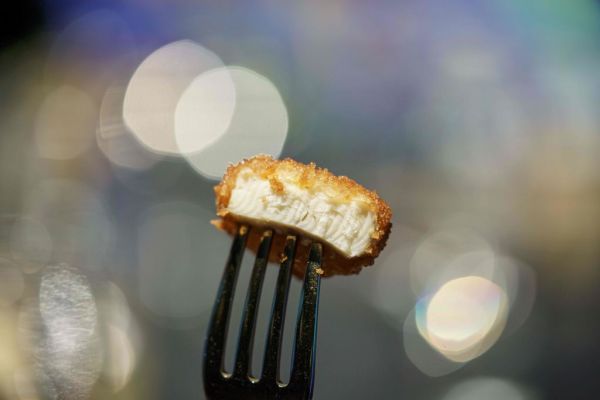
The Wall Road Journal went under the hood of the lab-developed meat market, also recognised as cultivated or cell-cultured meat, and the struggles within just.
The Journal significantly homed in on what is likely on at UPSIDE Foods, which been given a blessing from the U.S. Food items and Drug Administration connected to its system for building cultivated chicken, basically declaring it was secure to eat and making it the initially organization to get this acceptance. Take in Just, which has been marketing its merchandise in Singapore, the initial country to approve the sale of cultivated meat, adopted, receiving its “thumbs-up” from the Food and drug administration in March.
WSJ’s story pays certain attention to UPSIDE Foods’ achievement at producing small batches of its rooster solution, as perfectly as its deficiency of staying capable to generate massive amounts of product or service at a very low cost, or at even cost parity with traditional meat — and to be truthful, most cultivated meat businesses struggle with this also.
“Initially our rooster will be offered at a price high quality,” UPSIDE founder and CEO Uma Valeti told TechCrunch in November. “As we scale, we anticipate to inevitably achieve price tag parity with conventionally manufactured meat. Our target is to finally be a lot more very affordable than conventionally produced meat.”
Corporations in this sector make meat from animal cells that are fed progress aspects. The creation and pricing worries introduced in the WSJ story, having said that, are not new. “Is cell-culture meat all set for primary time?” wasn’t just a intelligent TechCrunch+ headline, but a respectable dilemma posed in early 2022 that even now definitely has not been answered.
Most cultivated meat stories in our archives involve at least a sentence about how really hard it is for companies to develop mass portions and to make foods by this technique so that the concluded merchandise is less than $10 a pound.