

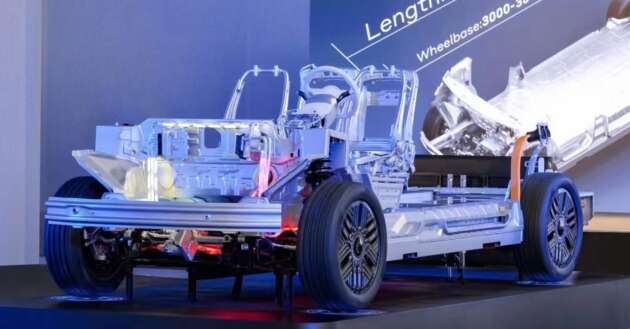
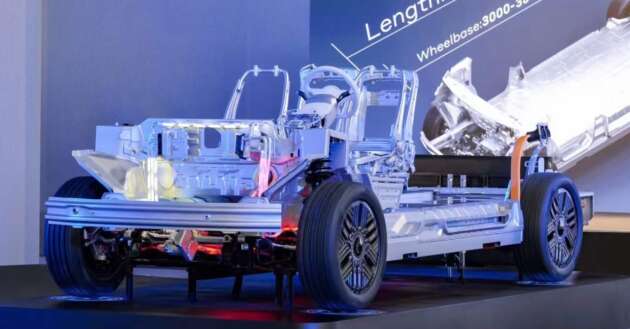
The Geely-owned London Electrical Car Company (LEVC) – earlier acknowledged as the London Taxi Enterprise – will be launching a assortment of electric vans and MPVs that will type its important product or service growth, the company has announced.
This assortment will be crafted on the firm’s Place Oriented Architecture (SOA) platform, which is to underpin a assortment of big van and MPV versions which are much larger than products from other will make this sort of as the Volkswagen Multivan and the Citroën Spacetourer, in accordance to Autocar.
There has nevertheless to be confirmation of the models that will emerge making use of this system, nonetheless LEVC has previewed an “Xspace Family” which is a range that consists a taxi, a household MPV, a luxury MPV as effectively as two vans, Autocar has described.
As with designs of a modular nature, vital to the SOA system is versatility, letting for vehicles ranging from 4,860 mm to 5,995 mm in length, with wheelbase lengths ranging from 3,000 mm to 3,800 mm, the higher limit more time than that of a common Mercedes-Benz Sprinter.
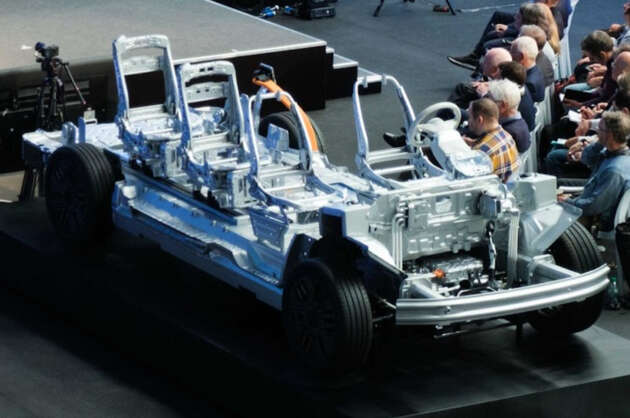
The SOA system has been designed to supply a lower step-in height at 386 mm, which LEVC suggests is 74 mm decrease than the ordinary European van, even though the boot lip is 28 mm lower than regular, so assisting to make loading hefty goods less demanding. This will be even more aided by air suspension that is normal on SOA-centered cars, which will be about to squat by 20 mm in front and 40 mm at the rear.
The SOA system has been engineered to reach torsional stiffness of 41,000 Nm for each degree, which is two times the stiffness of a regular European MPV in accordance to LEVC. This in transform delivers “10% better” experience top quality and refinement compared to German luxury SUVs as well as reduced interior noise when travelling at pace, chief architecture designer Kent Bovellan reported in accordance to Autocar.
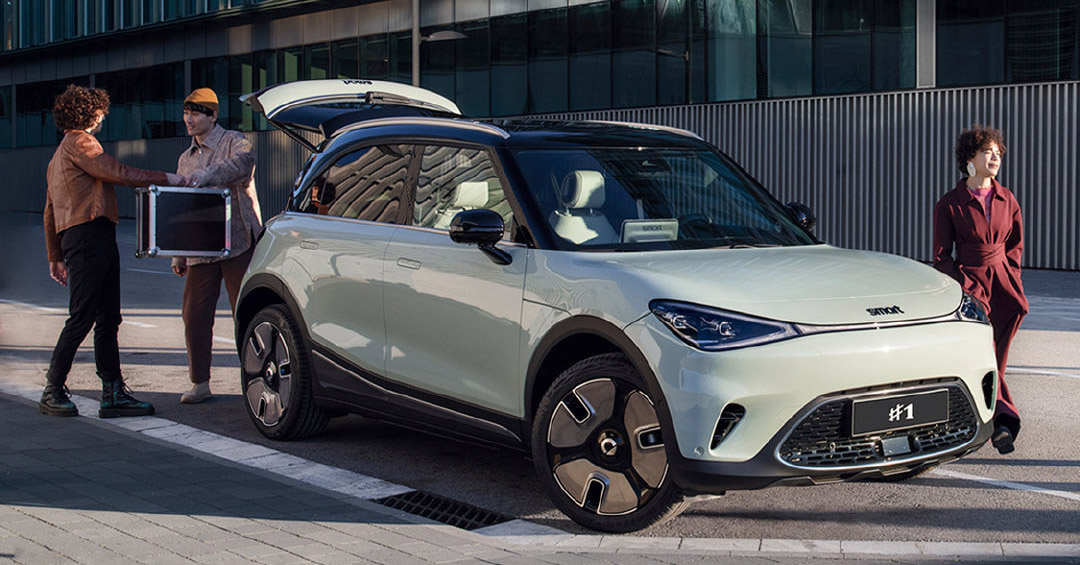
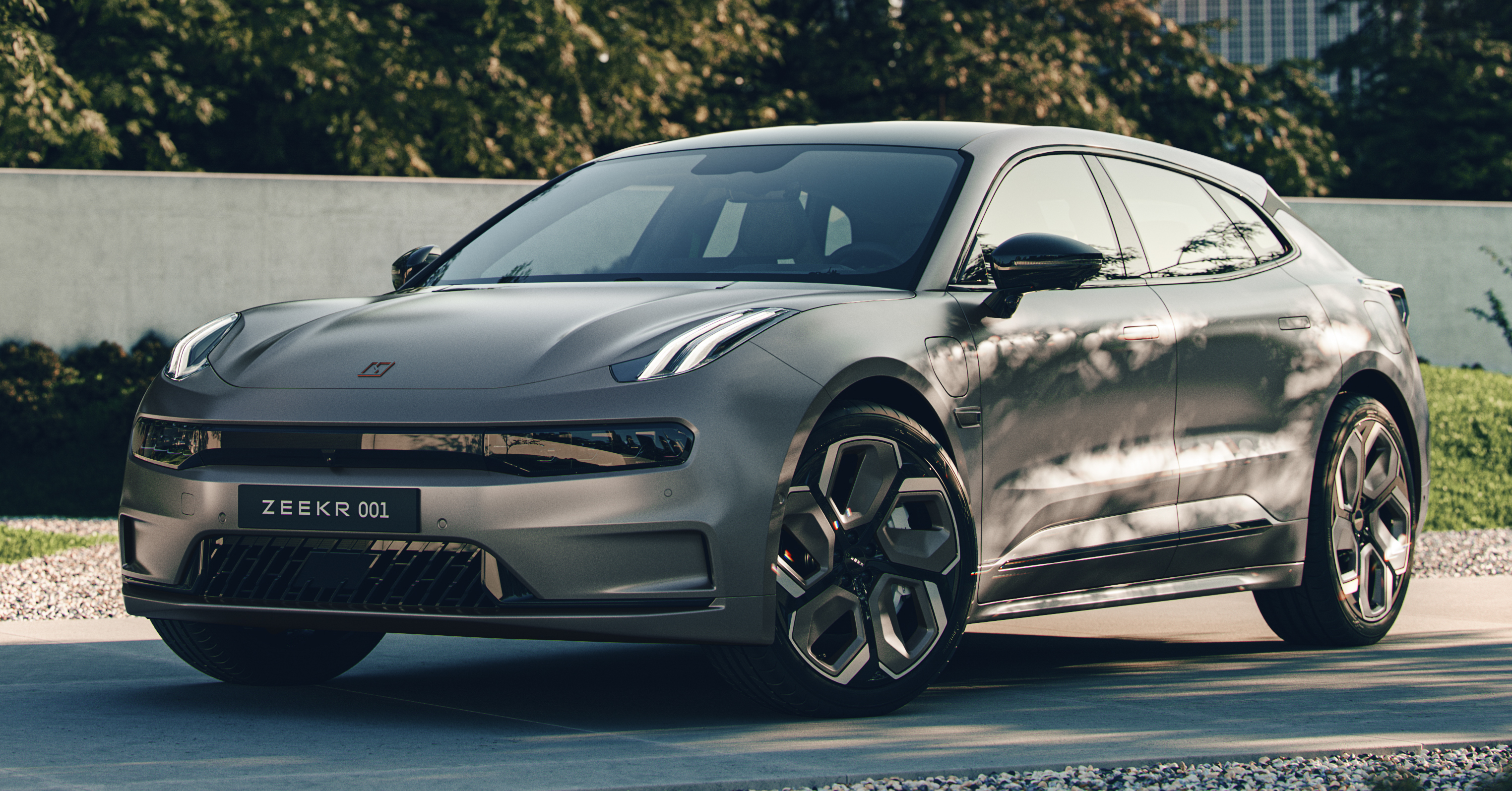
In conditions of powertrain, the batteries and drive motors for use on the SOA system will be shared from mother or father team Geely’s SEA system, which also serves as the foundation for the wise #1 and the Zeekr 001.
The most strong of the powertrain configurations to be deployed with the SOA-primarily based styles is likely to be the 544 PS/768 Nm dual-motor set up in the Zeekr brand’s very first product, and the rear motor with be the primary drive unit, which means it will do most of the propulsion operate until eventually total acceleration is demanded, stated Bovellan.
Versions developed from the SOA platform will be specified with 1 of 3 battery packs – a 73kWh lithium-iron phosphate battery offering 362 km on the WLTP cycle, an 102 kWh nickel-cobalt-manganese battery that yields 491 km and a 120 kWh nickel-cobalt-manganese battery pack that is excellent for 574 km.
These will permit a 10-80% charge in as small as 30 minutes, and every SOA-based mostly product will get a head pump as typical.
Autonomous driving capabilities will attribute heavily in upcoming SOA-primarily based versions, however the initial run of motor vehicles will be minimal to Degree 2 driver assistance, and further self-driving abilities will probably get there by way of around-the-air (OTA) updates immediately after the mid-2020s, the journal wrote.
Of these upcoming SOA-dependent designs, the taxi “will often be produced [in the UK],” LEVC controlling director Chris Allen was quoted by Autocar as expressing, even though it would be not likely for just about every model from this range to be also built in the United Kingdom.
“In phrases of where by we then select our producing footprints for the distinctive autos that appear off this [SOA platform], it kind of goes back to the exact same question of wherever the markets are… So when we go to market, we will establish wherever the manufacturing footprint is,” Allen stated.